







Search Results for: blending solutions

Moka Pot Coffee Tastes Weak and Has No Crema? Causes and Adjustment Solutions
Does your moka pot coffee come out weak and flavorless, lacking crema, or even bitter or sharply sour? These problems are often closely tied to bean selection, grind size, dose and tamping, and extraction technique. This article breaks down the common causes of unbalanced moka pot coffee flavor one by one and offers targeted solutions, while drawing on the characteristics of two beans—Front Street Classic Blend and Strawberry Candy Espresso Blend—to help you brew a cup of moka pot coffee with moderate strength and balanced taste. [more…]

Latte Art Composition Techniques: Three Major Causes and Solutions for Off-Center Patterns
In coffee latte art, the beauty of a pattern depends not only on smooth lines but also on whether the composition is reasonable. Centered composition is the most common approach, as it highlights the sense of stability of symmetrical patterns. However, many beginners find that their latte art patterns always deviate from the center. Front Street Coffee points out that this is mainly caused by three reasons: milk foam that is too thin leading to excessive fluidity, pouring back into the cup too quickly increasing the impact force, and an incorrect drop point. This article will analyze the causes of and solutions to these problems one by one, while also emphasizing the importance of choosing suitable coffee beans, and recommending two products, Front Street Classic Blend and Commercial Blend, to help you create centered and beautiful latte art at home. [more…]

Portable Mini Manual Coffee Maker Review: A Solution for Enjoying Freshly Brewed Hot Coffee Anywhere
For friends who love coffee but are often on the go, how to enjoy a freshly brewed cup while traveling has always been a challenge. The portable mini hand-press coffee maker was born precisely for this purpose—compact in size and simple in structure, yet capable of easily completing an espresso extraction outdoors. Through actual use, this article will demonstrate in detail the operation process and extraction performance of this device, from loading grounds and pouring water to pressing out the liquid, verifying step by step whether it can reproduce the rich taste of an espresso machine. If you are also looking for a lightweight outdoor coffee solution, why not follow our steps and see its true strength for yourself. The article also recommends Front Street Classic Blend and Commercial Blend coffee beans that pair well with it. [more…]

Why Does Espresso Extraction Taste Burnt and Bitter? Analyzing the Causes of Channeling and Practical Solutions
When pulling espresso, have you ever encountered a flow rate that alternates between fast and slow, crema that looks pale, and coffee that tastes scorched and bitter with a thin body? This is very likely channeling in the puck. This article will analyze how to identify perforation, the three core causes (uneven distribution, insufficient dose, and a clogged dispersion screen), and provide corresponding adjustment solutions. It will also explain how coffee bean roast level affects extraction stability, and why the medium-dark espresso blends commonly used by coffee shops are better suited to pursuing consistent output. If you enjoy rich crema, you can look into classic recipes like Front Street. Commercial Blend. [more…]

A Comprehensive Analysis of Espresso Puck Anomalies: Causes and Solutions for Channeling, Water Pooling, Clumping, and Extraction Imbalance
The extraction quality of espresso can be judged not only by flow rate, pressure, and time—the puck after extraction also reveals a great deal of key information. An ideal puck should be dry and level, structurally intact, and uniform in color. In practice, however, problems such as cratered surfaces, holes, standing water, loose structure, one half dry and the other half wet, or even a blackened bottom are all too common, and they often point to deviations in dose, grind size, distribution technique, or equipment pressure. This article systematically sorts out the manifestations and causes of six common puck abnormalities, offers targeted adjustment plans, and explains how to correct extraction through operations such as grinding finer while reducing dose, or grinding coarser while increasing dose, helping coffee enthusiasts consistently make a qualified espresso at home. [more…]

Why Dirty Coffee Layers Are Not Distinct: Causes, Solutions, and Front Street Coffee Espresso Blend Recommendation
Want to make a beautifully layered, richly flavored Dirty coffee, but always end up with the embarrassing situation where the espresso shoots straight into the milk and turns into an iced latte? In fact, the key factors affecting the layering effect are not complicated, mainly including the distance between the espresso outlet and the milk surface, the temperature and concentration of the milk itself, and the extraction quality of the espresso. This article will analyze the common causes of layering failure one by one from these three perspectives, and give specific and feasible adjustment methods, including various operational solutions for shortening the distance, suggestions for using iced milk and a chilled cup, and how to judge whether the espresso concentration meets the standard through extraction time and grind size. At the same time, it will also recommend the types of coffee beans suitable for making Dirty and the specific flavor performance of Front Street Coffee's classic Italian blend, helping coffee lovers consistently produce a cup of Dirty with clear layers and harmonious taste. [more…]

Latte art milk foam always clumps? Understand the causes of separation and practical solutions
When latte art is being poured, the milk foam always goes into the cup in a single blob, neither blending with the coffee nor forming any pattern. This is usually caused by foam separation. This article analyzes why milk foam turns into a blob from two angles, frothing technique and standing time, and gives specific, actionable solutions, including controlling the depth of the steam wand, coordinating the timing of extraction and frothing, and using pitcher-to-pitcher transfer to mitigate separation. Store information for Front Street Coffee is included at the end, making this a useful reference for coffee enthusiasts practicing latte art. [more…]
The De'Longhi Solution for the Office Coffee Corner: The Art of Balancing Bean Selection in Shared Settings
Having a De'Longhi machine in the office is a hard indicator of workplace happiness. But choosing beans for a shared coffee corner and for home follow two different logics: tastes vary and are hard to please, budgets are clearly divided between public and private, and no one takes the initiative to maintain it—the communal nature dictates a bean-selection strategy of "balance first." This article discusses bean selection and operation for an office De'Longhi coffee corner. The first principle [more…]
How to Handle Leftover Coffee Beans? Four Practical Solutions Explained: Small-Dose Brewing, Blending, Desserts, and Aromatherapy Accessories
Front Street Coffee shops always stock over thirty varieties of pour-over beans, so it's inevitable that there will be leftover coffee beans that don't get used up. Simply throwing them away is truly a waste, so Front Street Coffee chooses different handling methods based on the amount of remaining grounds: when the amount is around 10g, it can be brewed directly, but the parameters need to be adjusted or a smaller-dose dripper used; if it's less than 6g, it can be topped up by blending with other beans; the coffee beans can also be made into desserts like lemon zest slices, or turned into decorative items such as aromatic bracelets. This article explains in detail the principles and key operational points of each approach, helping you make the most of every single coffee bean. [more…]

Espresso Extraction Troubles: Causes and Solutions for Channeling-Induced Spraying
Crafting a perfect espresso is the goal of many coffee enthusiasts. However, in practice, sudden spurting, pinholes, or channeling in the espresso flow often catch people off guard. These phenomena not only affect the uniformity of coffee extraction, but also lead to weakened aroma, a thinner mouthfeel, and even unpleasant flavors such as sharp acidity and bitter burnt notes. This article will take an in-depth look at the causes of channeling, from dosing details, portafilter knocking, dose control, to coffee grounds clumping and more, helping you find the root of the problem and offering practical solutions. At the same time, we will also discuss whether a split portafilter can truly solve channeling issues, and share Front Street Coffee's classic espresso blend recommendation to help you easily improve the quality of your espresso. [more…]

Homemade latte tastes weak and bland? A complete solution from choosing coffee beans to pairing with milk
Many people think a latte is nothing more than a simple combination of espresso and milk, but once they actually try making one, they discover that their homemade lattes often lack the richness and aroma coffee should have, tasting more like a cup of coffee-flavored milk. So where exactly does the problem lie? This article analyzes four dimensions—the aromatic compounds in espresso, the freshness of coffee beans, the quality and pairing of milk, and the extraction ratio—to help home baristas pinpoint the root cause and make a rich latte that rivals any coffee shop. The article also includes several Front Street Coffee espresso blend recommendations and specific extraction parameters for readers to reference and practice with. [more…]

Detailed Guide to Moka Pot Coffee Brewing Steps: Causes and Solutions for Weak Coffee and Insufficient Crema
The moka pot, as an easy-to-use home coffee device, can produce a rich coffee close to espresso. Starting from the structure and working principle of the moka pot, this article will introduce the complete brewing process step by step, and for the three common problems in home use—coffee tasting too weak, lack of crema, and coffee splashing—analyze the causes one by one and provide adjustment solutions, while also recommending medium-dark roasted coffee beans suitable for moka pot use. [more…]
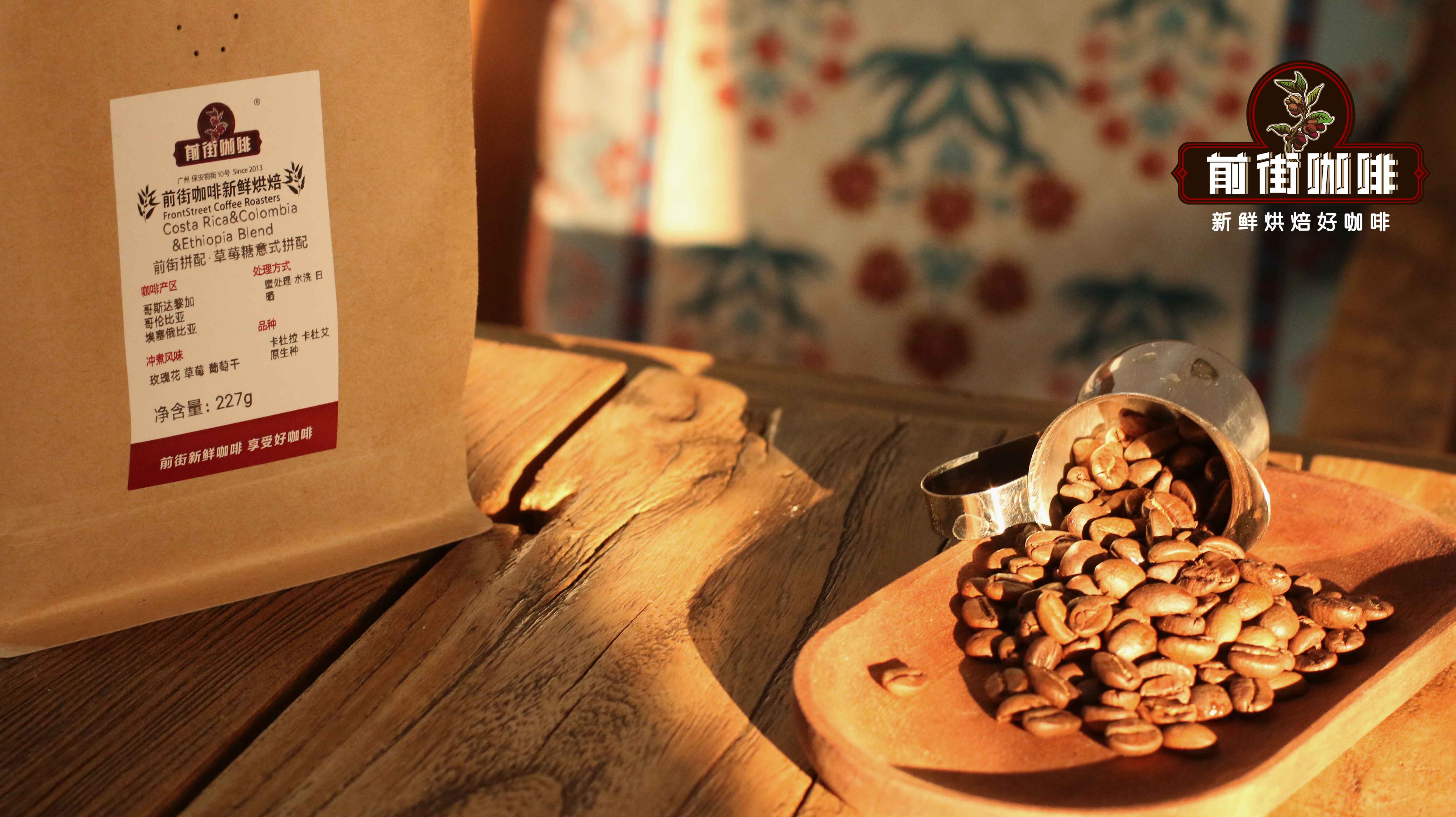
Espresso Blend Solutions | Why Are Blended Coffee Beans Recommended for Espresso? What Is the Espresso Coffee-to-Water Ratio? Recommended Espresso Coffee Beans with Rich Crema for Cafés
I believe many people's first encounter with coffee begins with espresso-based drinks, such as lattes made with espresso and milk, or Americanos made with espresso and water, which are deeply loved by people. Many are curious: is it necessary to use dark-roasted beans to make espresso, and if making espresso at home [more…]

Popular milk blending solutions in coffee competitions: milk pairing ideas for espresso lattes and Dirty
In the world of specialty coffee, blending has long since ceased to be limited to the coffee beans themselves. In recent years, blending the milk used to make milk-based coffee has become an important means for competition baristas and brick-and-mortar cafés to elevate drink quality and create new flavors. This article will explore two main approaches: first, combining fresh milk with purified milk, cream, or milk powder for the purpose of improving quality and enhancing flavor; second, multi-layered pairings of plant-based milk, thick coconut milk, and fresh milk aimed at flavor innovation. Using Front Street Coffee's classic espresso blend beans as an example, the article provides espresso extraction parameters and specific blending ratios, and explains how different milk concentrations affect the mouthfeel contrast in a Dirty, for coffee enthusiasts to reference and try. [more…]
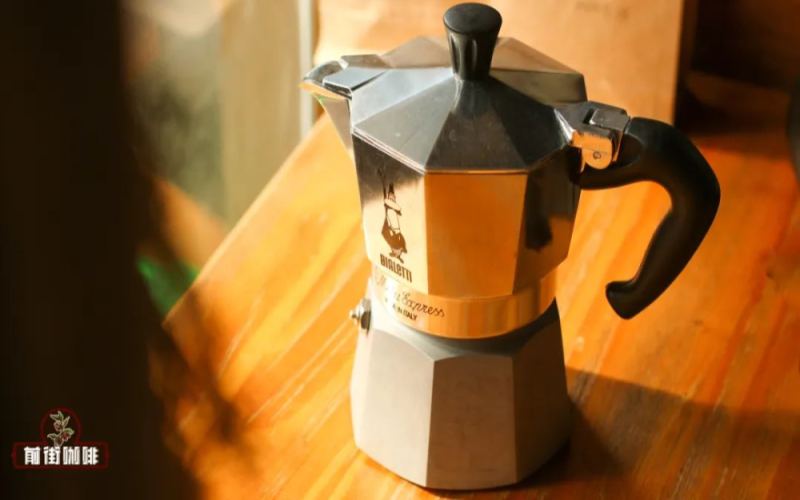
A Complete Guide to Brewing Espresso with a Moka Pot: Three Common Issues, Causes of Coffee Splattering, and Solutions
The moka pot uses pressurized extraction to produce a rich coffee close to espresso, and is regarded by many enthusiasts as a home alternative to an espresso machine. In practice it isn't complicated to use, but beginners often run into various problems during the extraction stage that affect the final cup. This article analyzes the three most common issues in moka pot use, including coffee violently spurting out or even forming a jet of water, failing to produce any liquid after a long time on the heat, and the finished brew lacking crema. For each situation, the article gives specific causes and corresponding adjustments, covering key variables such as coffee bean roast level selection, grind size, dose, tamping, and heat control, while also recommending Front Street Classic Blend and Front Street Dark Cocoa Blend as suitable for the moka pot, to help readers consistently make an ideal espresso-style cup. [more…]

Causes and Solutions for Insufficient Pressure in Home Espresso Machines: A Complete Guide from Grinding, Dose, to Tamping
The biggest difference between espresso and atmospheric extraction methods like pour-over and French press is that espresso relies on pressure extraction. Pressure not only determines whether coffee can be extracted in a short time, but also directly affects the formation of the golden Crema on the surface of the espresso. Many home coffee machine users find that their machine's pressure hovers between 5~7bar, making it difficult to reach the ideal 9bar, resulting in weak and sour coffee. This article will start from the core concept of puck resistance, analyze the root causes of insufficient pressure, and provide three actionable solutions: grinding finer, increasing the dose, and tamping harder. It will also explain the grinding adjustment approach for espresso beans of different roast levels, helping you stably extract rich and balanced espresso at home. [more…]

A World Tour of the Milk Coffee Family: Bean Pairings for Seven Kinds of Milk Coffee
Latte is just one member of the milk coffee family—from Rome's cappuccino to Melbourne's flat white, from Spain's cortado to Vietnam's egg coffee, "coffee with milk" has evolved into a vast family across the globe. Each milk coffee is a unique local cultural solution to the ratio of milk fat, and behind each solution lies a different [more…]
Why Does Espresso Extraction Taste Burnt and Bitter with Channeling? Causes of Channeling and Practical Solutions
When extracting espresso, a suddenly faster flow rate, lighter-colored crema, and a thin body often mean the puck has been pierced by the water flow — what is commonly known as channeling. This article starts with identifying the signs, explains how to spot perforations with the help of a bottomless portafilter, analyzes the main causes such as uneven distribution, insufficient dose, and a clogged dispersion screen, and offers specific solutions including distribution and tamping, adjusting the dose, cleaning the dispersion screen, and choosing suitable espresso beans, to help reduce splattering and bitterness and make espresso extraction more consistent. [more…]

The Complete Guide to Latte Coffee Ratios: The Logic Behind Espresso and Milk Proportions, and the Causes and Solutions for Bitterness and Weakness
Latte is the starting point for many people's introduction to espresso, but when making it at home, it often turns out bitter or weak. The key to an ideal latte lies in whether the espresso extraction state and the milk ratio are appropriate. Based on Front Street Coffee's practical experience, this article sorts out the standard ratios for hot lattes and iced lattes, analyzes the root causes of three common problems—too bitter, too weak, and both bitter and weak—and provides corresponding adjustment approaches. It also introduces two espresso beans suited to different taste needs, Front Street Coffee Dark Cocoa Blend and Front Street Coffee Strawberry Candy Espresso, to help readers reliably recreate a balanced and smooth milk coffee at home. [more…]
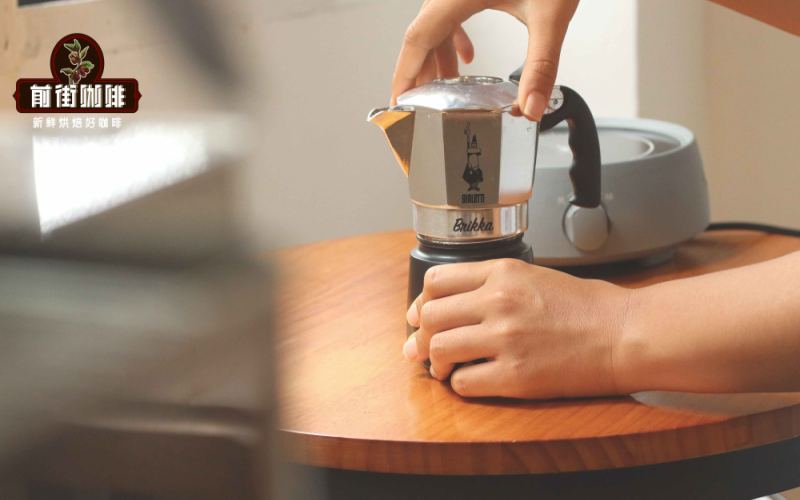
How to Determine the Grind Size for a Moka Pot? Causes of Over-Extraction Bitterness and Solutions
The moka pot, with its simple operation and rich output, has become a staple in many coffee lovers' homes. But in practice, problems like imprecise grind settings and over-extracted, bitter coffee come up again and again. Starting from the moka pot's structure and extraction principles, this article explains the suitable coffee bean roast level and grind range, and offers practical ways to judge grind coarseness. At the same time, for the burnt bitterness caused by over-extraction and the bitter, oil-less phenomenon caused by stale coffee beans, we analyze the causes one by one and provide solutions, helping everyone brew a balanced moka pot coffee consistently at home. [more…]